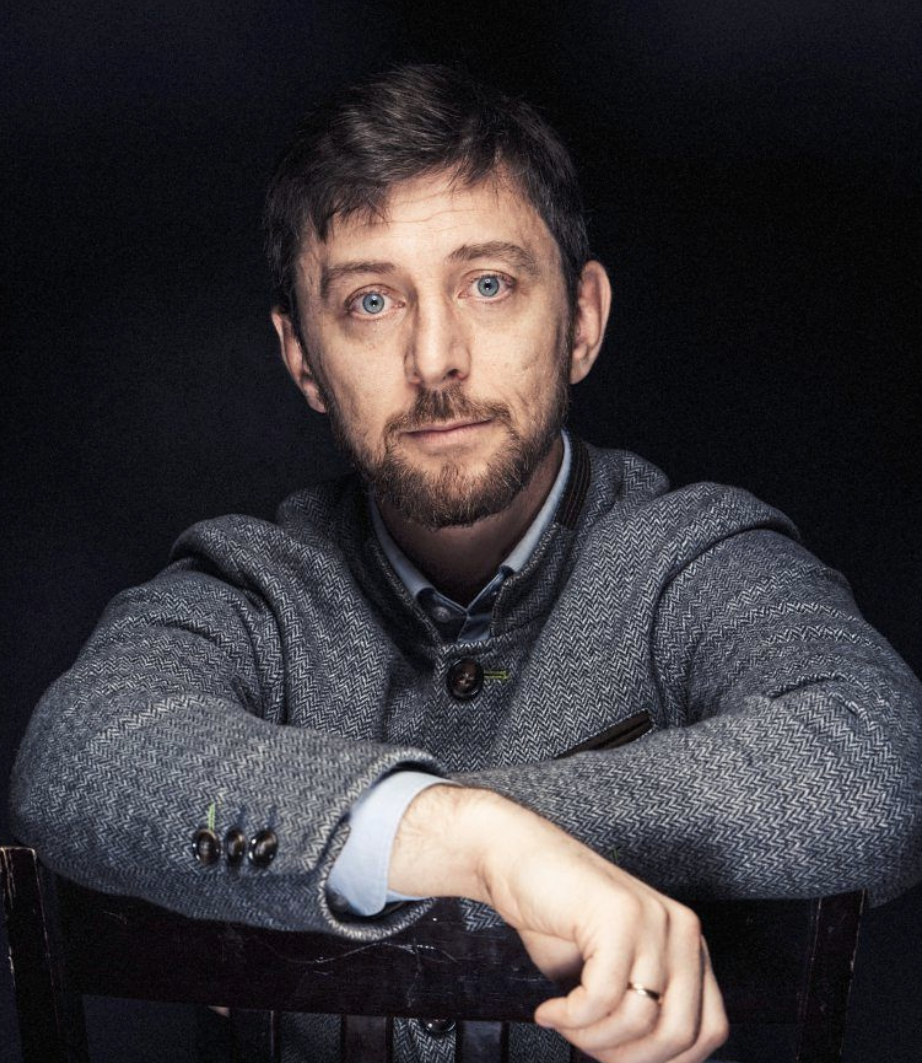
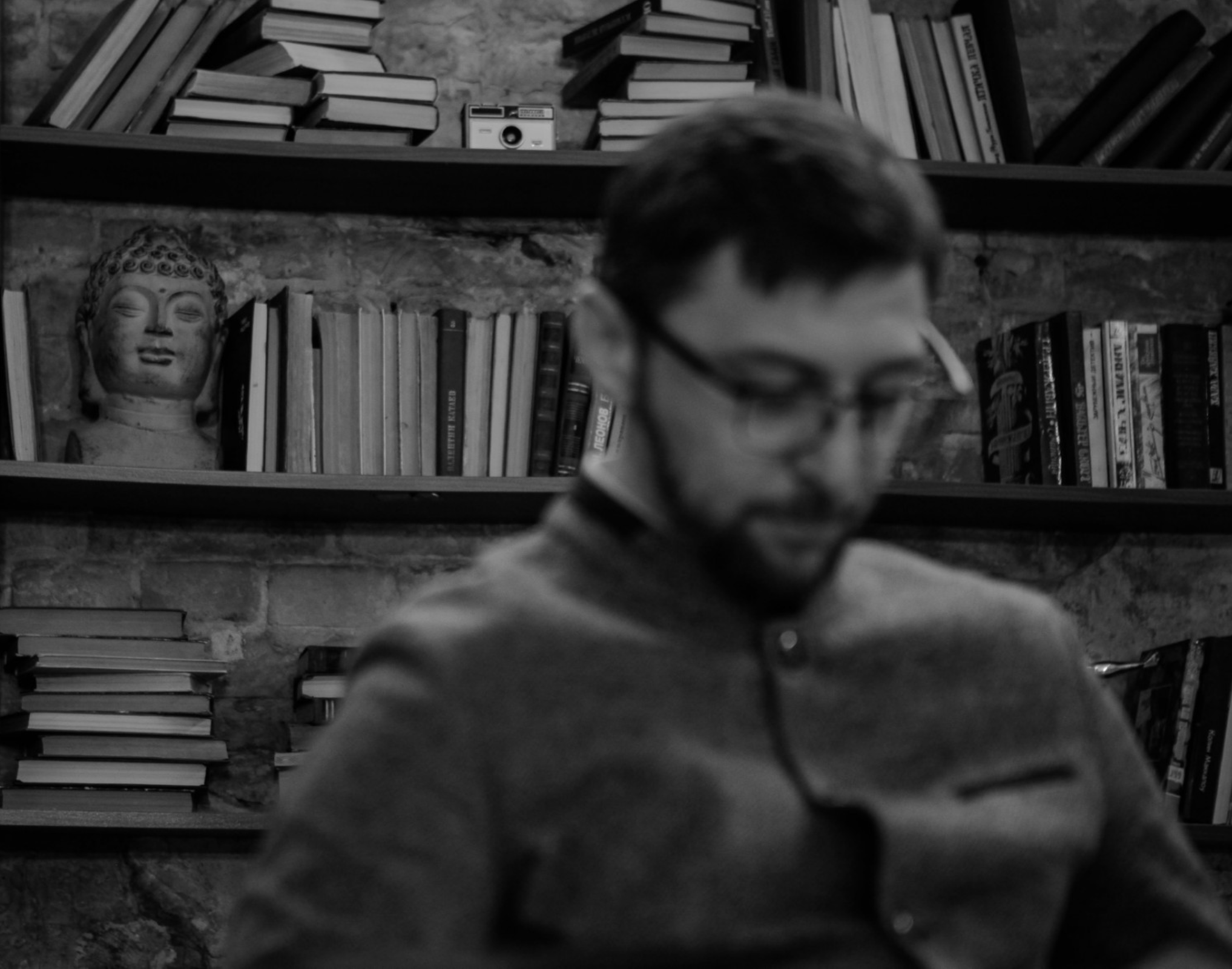
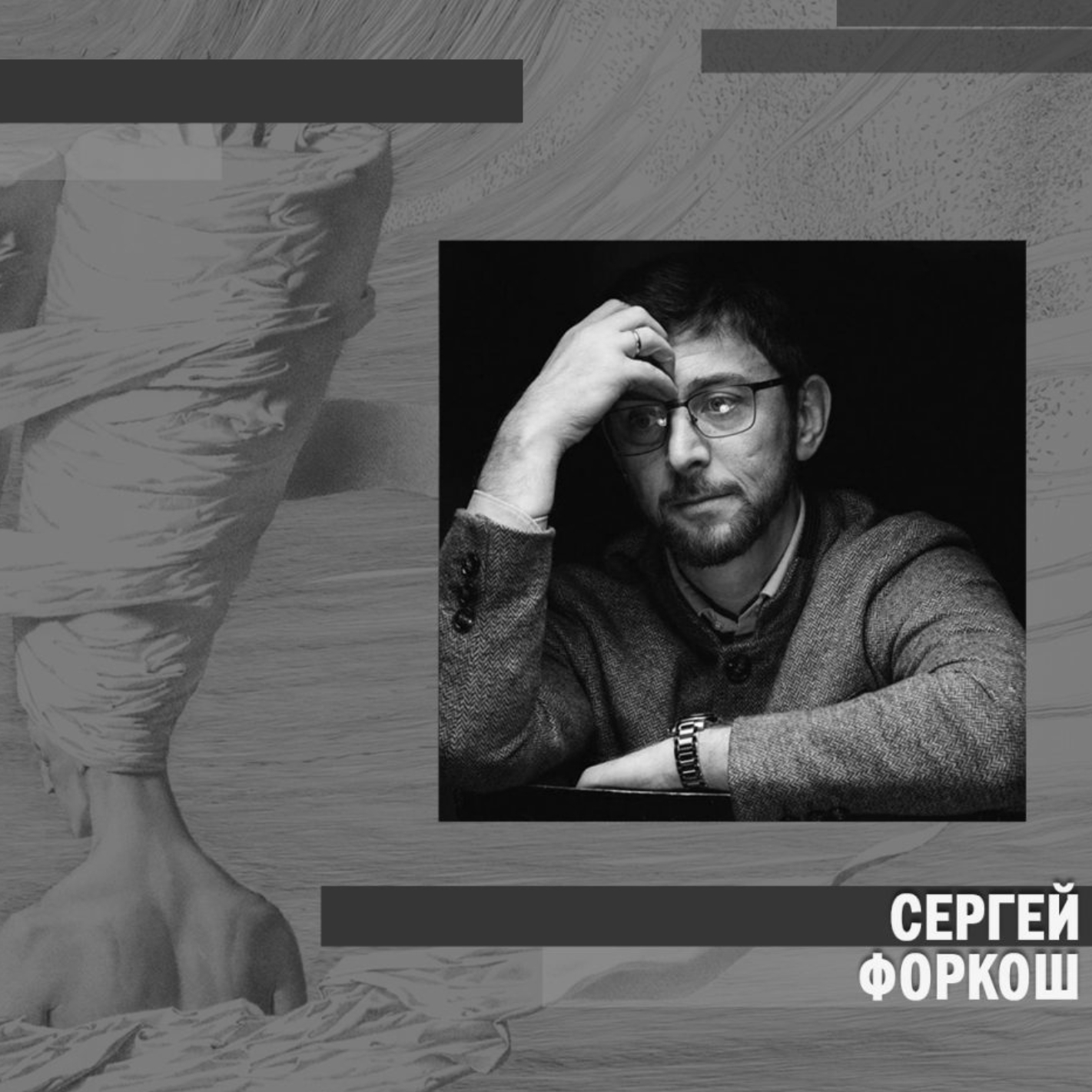
“Talking to Serhii Forkosh is like walking barefoot on rocky ground.
Thinking can be painful. But it is an integral part of what makes our lives so valuable and so exciting.
Consistently pursuing a thought is always a radical challenge.”
Vladimir Vertlieb, Austrian writer and journalist.
2007-2010 - postgraduate study at the Faculty of Philosophy of the Taras Shevchenko National University of Kyiv,
dissertation on the topic:
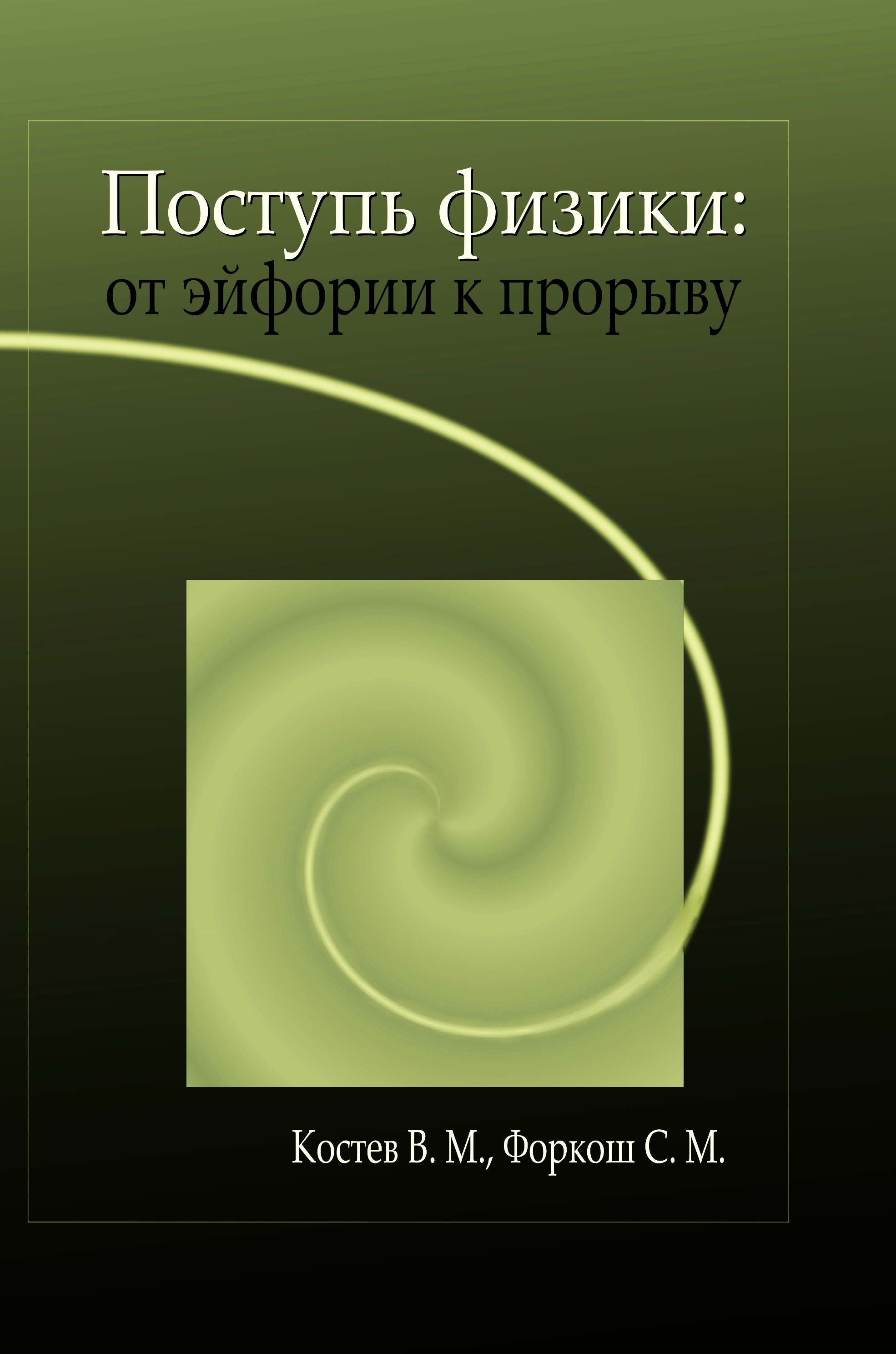
“Comparative approach to the study of the methodological tools of physical cognition”
2019 - fellowship researcher at the Faculty of Philosophy of the University of Vienna
2018-2020 - doctoral studies at the Faculty of Philosophy of the Taras Shevchenko National University of Kyiv,
dissertation on the topic:
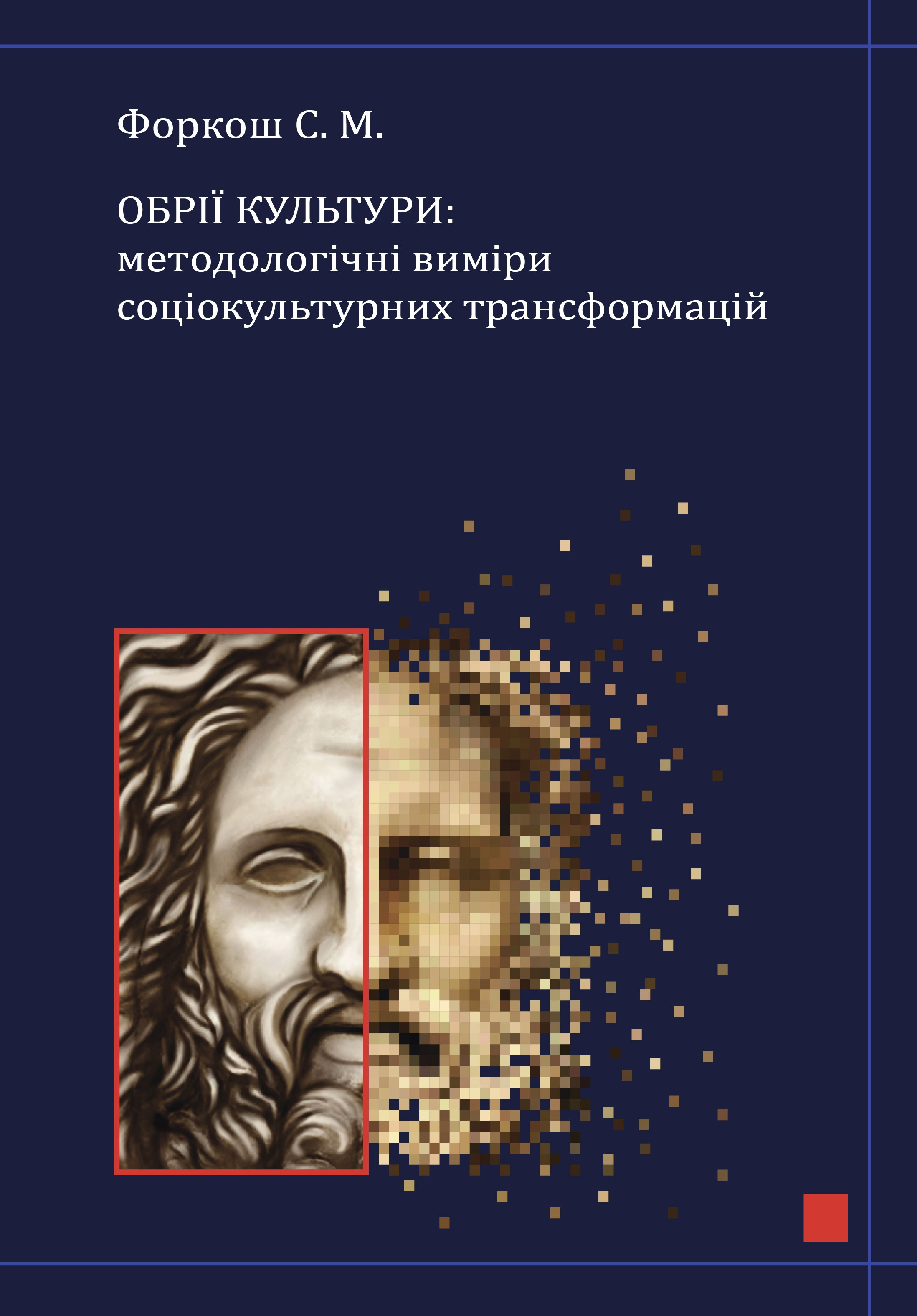
“Methodological dimensions of research into socio-cultural transformations in a post-non-classical perspective”
Member of PEN Club Austria
COURSES
COURSES
“Introduction to Phenomenology”
Course Description
Phenomenology, in the subjective, in the experience of the world, in this original attitude to things, explores and discovers essential connections, correlation structures that have a universal character. Thus, phenomenology is realized beyond these two dimensions, subjective and objective, revealing the very conditions of their emergence and thereby indicating their conventionality.
Course plan
1. The emergence and development of phenomenology (From Franz Brentano to Mark Ryshir);
2. Main types of phenomenology (transcendental, realistic, existential, etc.);
3. Phenomenological concepts (categorical apparatus). Phenomenon, intentionality, a priori correlation, constitutiveness, setting, intersubjectivity, life world, etc.;
4. The problem of method in phenomenology (method, approach, path);
5. Phenomenological reduction (eidetic and transcendental);
6. Epoch (the practice of limiting the immanent region)
7. Genetic method (establishment of the context in the experience);
8. Phenomenology and psychology.
“
Course Review:
Introduction to Phenomenology
Лена Литвиненко
(менеджер социокультурных и интеркультурных процессов)
Заинтересованность в феноменологии возникла у меня из-за множества открытых вопросов, на которые я стремилась найти ответы. Один из них — почему существует конфликт между субъективным опытом и так называемыми объективными науками. Хотя существовали объяснения, мне казалось невозможным, что этому нельзя противопоставить ничего значимого. Неужели нет никаких иных путей?
Включившись в первое занятие, я сразу ощутила, что нахожусь в среде, где возможно глубоко погрузиться в действительно сложные понятия. Здесь я нашла поддержку в лице учителя-проводника, который помог найти правильные пути в лабиринте понятий.
Это было важно, поскольку феноменология представляет собой сложную систему понятий, которую нужно сначала усвоить, чтобы потом двигаться дальше.
Еще одно понимание, пришедшее ко мне на курсе, связано с тем, что феноменология — это прежде всего практика. Именно благодаря этим практическим аспектам она способна дать ответы на вопросы о роли субъективного опыта и его значимости в процессе познания.
Этот курс дал мне более четкое понимание феноменологии и позволил существенно расширить горизонты моего знания и восприятия.
На занятиях Сергей Форкош давал нам ключи, с помощью которых мы могли открыть двери феноменологического пространства, но открытие этих дверей мы должны были осуществлять самостоятельно.
Это означает, что требуются собственные усилия, и необходимо осознавать, что помимо занятий нужно выполнять дополнительную работу.
Рекомендуется завести тетрадь для записей, куда следует включать наблюдения, главные тезисы лекций, тезисы из прочитанной литературы, а также свои собственные наблюдения о проделанной работе. Важно писать эссе для себя и выполнять упражнения, которые также основываются на записи наблюдений.
Подготовка в некоторые дни может занимать до трех часов, и это действительно интенсивная работа. Помимо усилий на занятиях, все это необходимо совмещать с основной работой и деятельностью. Поэтому к такой серьезной работе нужно быть готовым.
Однако в результате такой кропотливой работы и занятий, благодаря доверительной и приятной атмосфере группы, которая очень доброжелательно относилась друг к другу и поддерживала, стало возможным погружение в пространство феноменологии. Первые шаги, первый опыт и первые попытки феноменологизации привели к тому, что это пространство открылось. Теперь, читая тексты Гуссерля, слова обретают совсем иной смысл, пазлы сходятся, и становятся очевидными вещи, которые ранее не казались очевидными. Восприятие перестраивается полностью. Поэтому тем, кто серьёзно намерен узнать, что такое феноменология, могу рекомендовать этот уникальный курс с уникальным проводником, который способен стать для вас настоящим открытием.
“
Course Review:
Introduction to Phenomenology
Кирилл Чуприн
(аспирант философского факультета)
Мы существуем в эпоху, когда люди живут не в соответствии со своим «Я», по чужим схемам и чьим-то конструкциям, воспринимая вещи не такими, какие они есть на самом деле, а через призму пережёванных концептов и навязанных мнений. Чтобы избавиться от этого, нужна определённая внутренняя сила и влечение к свободному движению мысли и духа. Подспорьем в реализации этого, на мой взгляд, является наставник и соответствующая атмосфера, в которой вы находитесь. Курс феноменологии может стать этим для вас — это обстановка, где вы чувствуете свободу своего полёта, а наставник, как опытный лётчик, выстраивает вам траекторию движения. Скорость, с которой вы летите, и состояние, в котором вы находитесь, зависят уже от вас.
Для меня лично курс феноменологии — это не передача каких-то эфемерных «эзотерических» знаний, коих сейчас на рынке в изобилие. В первую очередь, это навык философствования, возможность открыть новый горизонт в понимании вещей. Нельзя сказать, что это какой-то другой, высший уровень; здесь нет иерархии. Это совершенно иной подход, иное измерение восприятия реальности. Вначале это что-то неосязаемое, трудно уловимое, но при этом максимально приближённое к тому, какова вещь на самом деле. Большую часть курса вы находитесь в амбивалентной позиции: вам кажется, что вот-вот всё поймёте, но в моменте ничего не проясненное.
Вступить на колею феноменологии осмелится не каждый. Но если вы рискнёте и распахнёте дверь в новое, увлекательное пространство, то вы... почувствуете себя идиотом. Вы не ослышались — всё будет как у Фёдора Михайловича. Но плюс в том, что вы не будете одиноки на своём пути.
“
Course Review:
Introduction to Phenomenology
Андрій Міненко
(філософ)
Феноменологія є дуже важливим етапом в філософії. Це продовження континентальної думки філософії, її закономірний розвиток. Феноменологія є дуже важливим методологічним засобом в науці та житті загалом. Український філософ Сергій Форкош дозволяє людям зрозуміти феноменологію. Дозволяє він це за рахунок доступного пояснення. Він розуміє феноменологію на різних рівнях та в різних галузях. Особливо цікаво разом з Сергієм Форкошом розглядати феноменологію в сфері психологічного. Всім рекомендую до ознайомлення!
“
Course Review:
Introduction to Phenomenology
Полина Опря
(аспирант философського факультета)
Сергей за 8 наших встреч смог осуществить передачу знания, его многолетнего опыта и труда в этой теме. Эта тема требует кропотливого труда и усилия, чтобы не просто нагрузить нас информацией про это движение, а дать нам возможность взглянуть через нее. Сергей мастерски смог подойти к этой работе, за что ему огромная благодарность. Это действительно большая удача встретить настоящего феноменолога, от которого идет живая мысль. Спасибо Сергею за такое мужество )
“
Course Review:
Introduction to Phenomenology
Константин Круленко
(Гештальт-терапевт)
О таком направлении в философии как феноменология я узнал достаточно давно, около 8 лет назад, проходя обучающую программу по подготовке гештальт-терапевтов. С того момента мой интерес к этой области философских знаний постоянно побуждал меня искать возможность познакомится с ней глубже и завязать долгосрочные отношения. Мои предыдущие попытки при помощи литературы самостоятельно ознакомится с феноменологическим методом и проба его практиковать, раз за разом сталкивали меня с массой новых терминов и понятий, разобраться с которыми в полной мере не удавалось в силу их многогранности и специфичности, и с невозможностью освоить хоть на начальном уровне навыки феноменологического взгляда на мир. Приобретение опыта такого взгляда в одиночку для меня было недостижимым и нужен был опытный проводник.
К моей нескончаемой радости, уже после первого семинара этого курса, для меня стало очевидным, что судьба подарила мне шанс поучиться у действительно Мастера феноменологического искусства, кем безусловно является Сергей. И пройдя, как на одном дыхании, все 8 семинаров, могу сказать, что моя радость от встречи с Сергеем только многократно усилилась. На этом курсе я наконец-то стал более менее отчетливо понимать, о чем вообще на самом деле идет речь, когда говорят о феноменологическом методе, процедурах эпохе и феноменологической редукции. Но самое главное, мне впервые, благодаря предложенным Сергеем упражнениям, удалось осознанно пережить опыт конструирования(возникновения) смысла в моем сознании. Это удивительно! Настолько, что теперь сложно относиться ко всему происходящему в моем внутреннем мире так как прежде.
Отдельно хочу выразить признательность Сергею за искренность и чистоту намерения в передаче своего опыта и знаний, благодаря чему с одной стороны создавалась теплая открытая дружеская атмосфера на занятиях, а с другой стороны обучающему процессу придавалась благородная строгость и торжественность. И действительно, для меня каждый семинар был похож на празднование торжества человеческого духа и его победы над всеми перманентными тяготами человеческого бытия. Особый жизнеутверждающий оттенок этой победе придает то обстоятельство, что возможность принимать участие в семинарах пришлась на момент моего нахождения в летне-осеннем прифронтовом Харькове.
Очень надеюсь, что полученный на этом курсе импульс к занятию феноменологическими практиками, разовьется в неиссякаемый поток новых осознаний и приобретение устойчивого навыка феноменологического взгляда на мир и себя самого.
С огромной благодарностью
“
Course Review:
Introduction to Phenomenology
Виталий Окольничий
(психолог)
Изначально на курс я приходил без особых ожиданий, скорее из любопытства. В этом любопытстве я шел по занятиям, учился, узнавал непривычные для себя термины и старался вникать в происходящую динамику.
В процессе я открыл для себя инструмент, которого мне не хватало. Феноменология дарит уникальный взгляд на вещи. Где-то это то самое детское любопытство, которое позволяет изучать то, что меня окружает. Где-то это то самое философствование, которое за каждой мыслью дарит удивительное открытие и иной взгляд.
Благодаря курсу появилось какое-то специфическое чувство или ощущение, при встрече с мыслями других людей. Ощущение в том, что стало заметно, когда человек оперирует терминами или словами, может, в которые мало вникал или же, четкое опознание, когда он проделал какую-то работу, ходил и при помощи мысли что-то исследовал.
И каждое такое "узнавание" дарит что-то, чего не было до курса. В том числе, как следствие, желание самому приложить усилие и исследовать, самому вникать, находить ответы. Как учит феноменология, обладать непредвзятым отношением к тому, на что я обратил внимание. И в этой непредвзятости обнаруживать что-то по настоящему важно.
Поэтому, Сергей, большое вам спасибо, что приоткрыли для меня такой необычный оттенок мира.
“
Course Review:
Introduction to Phenomenology
Наталия Липчук
(психолог)
Случайные переживания идеала ведут нас по жизни.
Бывают идеальные дни, минуты, часы, встречи, воспоминания, переживания, опыт. Недавно, в разговоре о реальном и идеальном, я услышала фразу: «Реальное есть, но случайные встречи с идеалом ведут нас по жизни».
Курс философии «Введение в феноменологию Сергея Форкоша который однажды был прочитан им офлайн в Вене и мне посчастливилось пройти его же онлайн в замечательной небольшой группе. Это и есть та случайная встреча с идеальным, которая ведет по жизни, придает ей смысл, радость, интерес, удивление.
Тема и все содержание курса были как раз не о идеальном, а о подлинно реальном, о возвращении к вещам таким, какие они есть. Но сам автор курса создал идеальную атмосферу своим отношением к подготовке курса, пониманием предмета, вовлечением нас и своим увлечением философией, работоспособностью, своей манерой и культурой общения, интеллигентностью, своей жизненной философией и принципами.
За время прохождения курса я пережила много разных и прекрасных и трагических и запомнившихся и забытых и осмысленных и неосмысленных событий. Сейчас война на моей родине, я в эмиграции.
Благодаря курсу я прожила это время с большим интересом и более глубоким пониманием. Мои взгляды во многом перевернулись на 180 градусов. Все основы изменились. Трудно описать словами то, что является основой переживаемого опыта, который лежит в нашем переживании мира до уровня слов.
Мышление, к которому приобщает и демонстрирует Сергей, это потенциальная, но мало кем реализуемая возможность данная человеку. На курсе пришлось много трудиться, но оно того стоило.
Я благодарна Сергею, что он оставил закрытую группу, после окончания курса, что он делится с нами своими мыслями, статьями, дает площадку для общения, рекомендует литературу к прочтению, фильмы и др.
Для меня этот курс – произведение искусства!
С большой благодарностью и уважением Сергею Форкошу Украинскому мыслителю,, доктору философских наук, переводчику
“
Course Review:
Introduction to Phenomenology
Евгений Волченко
(Врач, психотерапевт, кандидат психологических наук)
Феноменология на уровне философского осмысления, одно из фундаментальных оснований для принятия решений.( Особенно в терапевтических дисциплинах(для меня естественно Особенно). Но необходим практический опыт эйдической вариабильности и соответственно конституирования в терапевтическом мышлении( не только в мышлении отдельно взятого терапевта).
Думаю эта одна из проблем в современном искусстве, политике, праве, религии..
“
Course Review:
Introduction to Phenomenology
Тамара Лукашева
(музикант)
Семинар Сергея Форкоша стал для меня одним из сильнейших событий последнего времени.
Во время занятий погружаешься в глубокие слои мышления, которые меняют структуру самого себя, показывают себя и ты понимаешь, что меняешься фундаментально.
Невозможно быть готовым к таким изменениям, и иногда это сровни глубокому потрясению, но мастерство Сергея чувствовать участников, балансировать сложность с простотой на примерах и ситуациях, его открытость к вопросам и комментарием, желание по настоящему проработать тему, не скрывая всей многослойности и необъятности темы, искренность и честность, дают ощущение присутствия при чем то настоящем, при чем то, что имеет гораздо большее значение, чем то, что было раньше до встречи с семинаром. После каждого курса остается приятное ощущение проделанной работы и иногда даже рождается музыка. И хотя домашние задания требуют многих часов напряженной работы в непривычном для меня ключе, эту работу обязательно нужно проделывать честно и тщательно, ведь только в активном участии этот семинар раскроет себя полностью. Я невероятно благодарна Сергею за его страстное, искренне и отношение к его деятельности, за его полную отдачу себя в процессе, что говорит нам однозначно об одном - Мастер при деле, и нам безумно повезло иметь привилегию за ним наблюдать и через него прикоснуться к вечному.
“
Course Review:
Introduction to Phenomenology
Юлія Клименко
(реєстрований психотерапевт Української та Британської Асоціації психодраматератевтів)
Я думаю найцінніші події, Люди приходять в час коли учень готовий. Я дуже вдячна що стала учасницею цієї дивовижної подорожі під назвою «Вступ до Феноменології». Декілька думок що мені дав цей курс:
1. Він підняв мою самооцінку як психотерапевта. Останні 10 років я працюю в методі психодрама. І тільки на цьому курсі я зрозуміла скільки моментів та концепцій, які лежать в основі методу, справді можна назвати феноменологічним підходом для вивчення внутрішнього світу людини. Хочеться фантазувати, що автор методу Я.Л. Морено напівсвідомо або свідомо заклав в метод. Психотерапевт працюючий в методі психодрама, в роботі з клієнтом, багато часу знаходиться створюючи саме феноменологічні простори для того щоб клієнт міг досліджувати власний внутрішній всесвіт та, з часом, реконструювати свій спосіб мислення про себе, події в житті, трансформувати власне життя. В психодрамі багато інструментів для дослідження переходів від чуттєвого та невизначеного до чогось визначеного та названого. Цей курс справді надихнув мене поглиблюватись в пізнанні феноменології далі. Експериментувати, привносити, створювати, роз’яснювати. Можливо колись я створю певну наукову роботу на базі свого практичного досвіду та досліджень спрямовану на розвиток методу психодрама з опорою на використання феноменології в роботі психотерапевта. Про це класно мріяти:)
2. Цей курс заразив мене свободою до продовження навчання та розвитку на перетені філософії, психотерапії, соціальної антропології.
3. Цей курс вмістив в собі таку кількість матеріалу, що хочеться в своєму темпі повертатись до лекцій та запропонованих домашніх завдань та осмислювати їх, смакувати та думати.
4. Зустріти такого Вчителя як Ви, Сергій, то велика вдача. Бо Ви живете тим про що говорите, заражаєте своїм способом мислення та створюєте середовище де народжується бажання до життя, дослідження та пізнання. Якщо говорити метафорично то наші лекції для мене були «Святом Буття та Мислення». І окрема подяка Вам за Ваш особистий «почерк» в викладанні матеріалу від практики до концепцій та теорій.
“Phenomenological Psychology”
“Phenomenological psychology is an absolutely necessary foundation for the construction of a strictly scientific psychology.”
Edmund Husserl
Description and Analysis of Phenomena: Phenomenology aims to clarify the basic phenomena with which the psychotherapist works. This helps to avoid an arbitrary approach to therapy and to focus on the individual experience of the patient.
Reduction and Encounter: An important aspect of the phenomenological approach is reduction - a process during which the therapist returns to the field of pure experience, thus getting rid of prejudices and hasty assessments. This allows for the creation of a “place” for a real encounter between the therapist and the patient.
The Structure of Human Experience: Phenomenology helps the therapist understand the fundamental structures of human existence by analyzing the ways in which objects are given through perception and imagination. This understanding allows for a deeper work with existential questions such as suffering, loneliness and the self.
Plan
1. Methodological foundations of phenomenological psychology
2. On the issue of the phenomenon of the mental
3. On the relationship between bodily and mental experience
4. On the issue of the “normality” of mental life
5. Phenomenology of trauma
6. Phenomenology of fear
7. On the phenomenology of pain
“
Course Review:
Phenomenological Psychology
Христина Яблонська
Я хочу висловити глибоку подяку за курс з феноменології. Після його завершення мені знадобився час, щоб зібрати думки і враження до купи. Це був непростий досвід, але саме завдяки цьому він став настільки цінним. Для мене цей курс виявився найбільш значущою інвестицією часу за останні кілька років.
Щиро дякую Сергію за те, що він так щедро поділився своїми знаннями і напрацюваннями. Його підготовка, увага до деталей і вміння привертати увагу, заохочувати до роздумів викликають величезну вдячність, повагу і захоплення. Я перечитую свої записи і відчуваю, наскільки важливо, щоб якомога більше людей отримали шанс доторкнутися до феноменології.
Для мене знайомство з феноменологією почалося випадково, коли я натрапила на розмову Сергія і Тамари на YouTube. І це випадкове відкриття стало початком глибокого і надихаючого шляху. Курс був непростим, проте сповненим важливих моментів і відкриттів. У якісь миті під час лекцій я ловила себе на думці, що мої думки розбігаються, а в інші моменти відчувала „ось воно!”, ніби нарешті вловлювала сутність сказаного. На завершення курсу відчуття втоми переплелися з вдячністю та натхненням.
Цей курс навчив мене “смакувати” пізнання, повільно і уважно вивчаючи нове. Хоч я поки не можу точно сказати, „хто я у феноменології”, я відчуваю величезне бажання продовжувати. Щиро дякую за можливість бути частиною цього досвіду.
З повагою
“
Course Review:
Phenomenological Psychology
Константин Круленко
(Гештальт-психотерапевт)
Записываясь на этот курс я был под сильным впечатлением от предыдущего авторского курса Сергея Форкоша “Вступление в феноменологию” и с большим интересом к тому, как можно развернуть идеи феноменологии в поле исследований психического. Скажу сразу, что мои ожидания полностью оправдались, курс оказал на меня огромное влияние и существенно расширил мое понимание применения феноменологического анализа психических феноменов в моей психотерапевтической практике.
Я искренне восхищен мастерством Сергея Форкоша, которому удалось в процессе курса искусно раскрыть суть различных психических феноменов, при этом не делая акцент на трансцендентальном аспекте феноменологического исследования, и в то же время осуществляя этот анализ исчерпывающе и всесторонне. Во вступительной части курса особую ценность для меня имело раскрытие феномена мира, как некоего горизонта смыслов для других явлений. Это дало мне возможность качественно по иному посмотреть феноменологическим взглядом на все, что меня окружает. В основной части курса я отдельно благодарен Сергею за раскрытие феномена Страха, что помимо более глубокого понимания этого явления, произвело на меня и некий терапевтический эффект и я смог глубже осознать некоторые свои страхи.
Самой ценной особенностью этого курса для меня была возможность присутствия в режиме реального времени в момент проведения феноменологического исследования Сергеем, тем самым прочувствование и впитывание самой атмосферы, в которой оно разворачивалось, наблюдение за живым потоком мысли мастера. Это значительно обогатило меня как человека, который сам пытается применять феноменологический подход на практике.
Сергей, выражаю Вам бесконечную благодарность за Ваше искреннее и подлинное стремление передачи своего опыта, а также за теплое, душевное и глубоко человеческое отношение к своим ученикам и за возможность быть причастным к живому философствованию.
С глубоким уважением, Константин Круленко.
“
Course Review:
Phenomenological Psychology
Виктория Апукхина
Сергей, хочу выразить глубокую благодарность за курс "Феноменологическая психология". Для меня, как логопеда, это была уникальная возможность прикоснуться к такой сложной и многогранной теме, как философия, через Ваш профессионализм и преемственность традиции.
Особенно ценно было научиться видеть и анализировать психологические феномены в практических разборах. Возможность переслушивать их помогает расширять понимание и открывать новые смыслы с каждым разом. Дополнительные материалы, комментарии и статьи стали важным подспорьем для формирования философского взгляда на повседневные явления.
Невозможно не отметить Вашу щедрость как учителя, строгость и требовательность к себе, а также терпеливость и поддержку каждого участника группы на их пути. Этот опыт не просто обогатил мои профессиональные знания, но и вдохновил на более глубокое восприятие человеческой природы и её проявлений.
Спасибо за мудрость и возможность расти как Человеку!
“
Course Review:
Phenomenological Psychology
Дмитрий Грабина
Многие из нас, самые обыкновенные люди, каждый в своем мирке, контексте, границах и вдруг нам приоткрыли дверцу в Таинственный Сад Философии.
Мы думали, что просто прослушаем курс теоретических лекций, но оказалось, что Сергей приготовил нам нечего Иное.
Вовлекая все больше и больше в структуру и способы Феноменологии, мы действительно начинали понимать и получать самое главное - личный Опыт в познании сути вещей.
Нам приоткрылись Границы многих понятий - Опыт, Дискрипция,Эйдическое варьирование.
Понимание феномена Тела, Боли, Травмы, Страха.
А разбор таких феноменов, как Пространство, Время, Место, Границы и особенно Дом, заставило меня , риэлтора с 32 летним стажем, вообще по другому взглянуть на свою профессию, на свое Дело.
Структурные знания, феноменологические методики , подаренные нам Мастером, оказались не простой сухой теорией, а возможностью применить их в реальной жизни - изменить подход к окружающему нас миру, к пространству глубоких смыслов, к нахождению новых путей, дорог к ..самому себе.
Один раз войдя в эти Двери, поняв Это, разпонять обратно уже не получиться никогда.
Спасибо Сергею за великолепный слог, вдохновенность и любовь к людям и своему важному делу, которым Мастер делает мир и человека - Человеком в Мире Добра и Красоты.
С огромной благодарностью,
Дмитрий Грабина.
“
Course Review:
Phenomenological Psychology
Никита
Спасибо большое, Сергей, за курс, за то, что показали новые пути мышления. Будто бы я всю жизнь искал именно феноменологического взгляда на мир, всю прошлую жизнь я пытался что-то найти, но где бы мои мысли не оказались, я всегда чувствовал неудовлетворенность. И вот теперь, с осторожностью, могу сказать, что кажется я нашел дом.
Конечно мне предстоит еще много трудиться над собственным мышлением, но тот путь, что вы показали, невероятно удивляет и вдохновляет. Возвращаясь к взгляду ребенку, придется и заново учиться ходить.
“
Course Review:
Phenomenological Psychology
Максим Костромський
Філософія як шлях пізнання — це мистецтво дивитися на звичне під новим кутом, і курс Сергія Форкоша став для мене саме такою захопливою подорожжю. Ми не просто заглиблювалися у філософські концепції, а вчилися дивитися на світ очима феноменолога: розгортати його сутності, відсторонюватися від упереджень і відкривати його багатогранність. Цей підхід, заснований на природному сприйнятті, дозволив по-новому відчути глибину речей навколо і краще зрозуміти себе.
Теми, які ми проходили на курсі «Феноменологічна психологія», не лише розкривалися через інтелектуальну перспективу, а й спонукали до живого досвіду. Ми не просто осмислювали поняття, а навчалися їх відчувати: розглядали психічне життя як багатовимірний феномен, досліджували, як тіло й психіка співіснують у єдності, і занурювалися у феноменологію таких глибоких переживань, як травма, страх, любов, ненависть і біль. Кожна тема ставала не просто предметом дискусії, а й джерелом особистих відкриттів.
Курс не лише розширив мої інтелектуальні горизонти, а й став важливою частиною мого внутрішнього шляху. Завдяки структурі занять і вмінню Сергія Форкоша створювати простір для відкриттів, я глибше осмислив власні переживання та навчився інакше взаємодіяти з навколишнім світом. Особливо цінним було те, що викладач не просто передавав знання, а демонстрував, як феноменологічний підхід здатен змінити сприйняття самого життя. Це дозволило кожному з нас побачити, як теоретичні ідеї мають завжди початок із реального сприйняття та природнього досвіду.
Особливе місце у моєму навчанні зайняли практичні вправи. Виконання рекомендацій до текстів і завдань відкривало нові горизонти осмислення та показувало світ з несподіваного ракурсу. Через ці вправи я відкрив не лише феномени, які спостерігав, але й дізнався більше про себе: як формується моє сприйняття, як реагує моя свідомість і як рухатися до гармонії між зовнішнім світом і внутрішнім переживанням.
Курс став для мене важливим етапом у розумінні того, як феноменологія може працювати не лише як науковий метод, а й як спосіб життя. Це був справжній «природноцілісний» підхід, де кожна тема відкривала можливості для нових відкриттів і глибшого розуміння. Феноменологія навчила мене зупинятися, уважніше слухати світ навколо і самого себе, помічати деталі, які раніше здавалися несуттєвими, і цінувати миті, що складають наше буття.
Щиро дякую Вам, Сергію, за цей безцінний досвід! Ви не лише провели нас через складні й насичені теми, а й дали інструменти, які залишаться з нами на довгі роки, допомагаючи глибше пізнавати себе, інших і світ.
З повагою, Максим Костромський!
“
Course Review:
Phenomenological Psychology
Наталия Липчук
(психолог)
Месяц думаю над отзывом о курсе Сергея Форкоша «Феноменологическая психология».
Столько пустых бессодержательных слов в обиходе и разговорах сейчас слышу еще более . Страшно ими описать курс.
А точно описать курс трудно.
Так как что- то необычное случилось и еще не осознано что.
Как родился в новом мире и теперь надо много чего пережить до взросления.
Как рождение ребенка. Жизнь изменилась, все взгляды на мир другие, но пока я осталась и прежней, но другой.
Сергей после курса оставил закрытую площадку для общения и мы обсуждали аниме «Унесенные призраками». Девочка пережила нечто, изменилась, но для родителей это время прошло незамеченным, как ничто.
В курсе было дано все, что было обещано. Показан пример мышления, не курс академических знаний, которые можно прочитать. Каждое занятие , настолько подготовлено и проведено красиво, что как после гениального спектакля, была все дольше пауза перед внутренними аплодисментами.
Задания для самостоятельной работы составлены так, что не возможно не начать мыслить, когда их выполняешь. На своем уровне, конечно. Очень важна была помощь в подборе философской и другой литературы.
Уровень курса настолько высокий, а темп и ритм жизни, необходимость в мышлении настолько сейчас примитивны, что трудно было переключиться на прослушивание и обучение. Но если что- то все же получалось, то оно того стоило.
И дело не в сложности. «Все настолько близко и просто, что в этом сложность»
Я очень благодарна Сергею за его время и труд! Надеюсь у него останется вдохновение и время для преподавания!
Phänomenologische Werkstatt
The main directions that will be implemented in the courses over time:
– Reading/interpretation of texts by E. Husserl, M. Heidegger, Nikolai Hartmann, E. Fink, H. Rombach, G. Deleuze, M. Richir;
– Phenomenological interpretation of texts by F. W. J. Schelling;
– Introduction to the intercultural phenomenology of Georg Stenger;
– Phenomenological psychology (phenomenological clarification of the main categories of psychology and the use of phenomenological methods in the practice of a psychotherapist);
– At the seminars, I will also present my vision of the future of phenomenology.
Who might be interested in taking part in my “workshop”:
– people who are professionally engaged in philosophy, in particular German idealism and phenomenology;
– practicing psychologists;
– creative people who are interested in understanding their experience;
– students of philosophy departments;
– anyone who is looking for a platform for professional communication on a philosophical level.
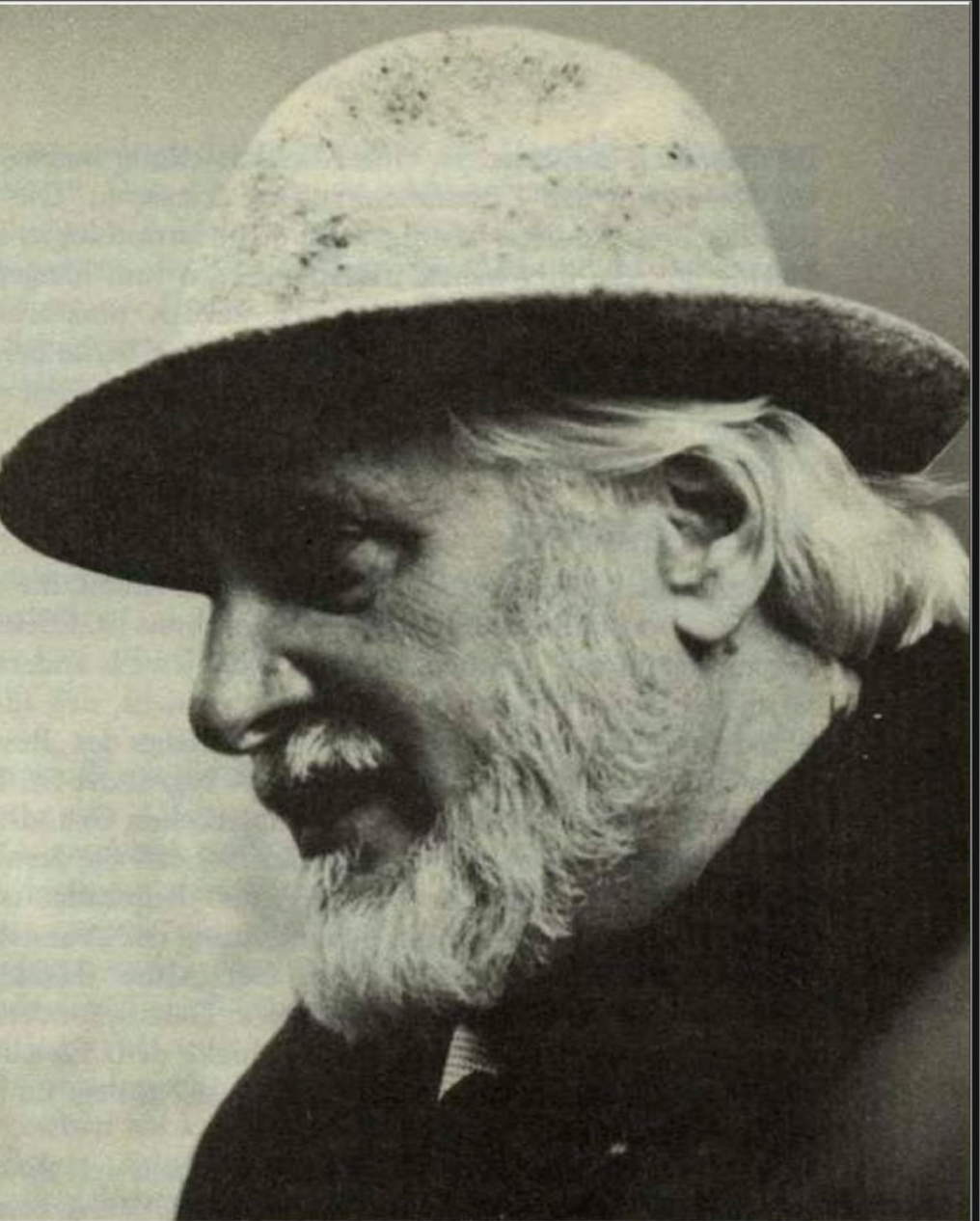
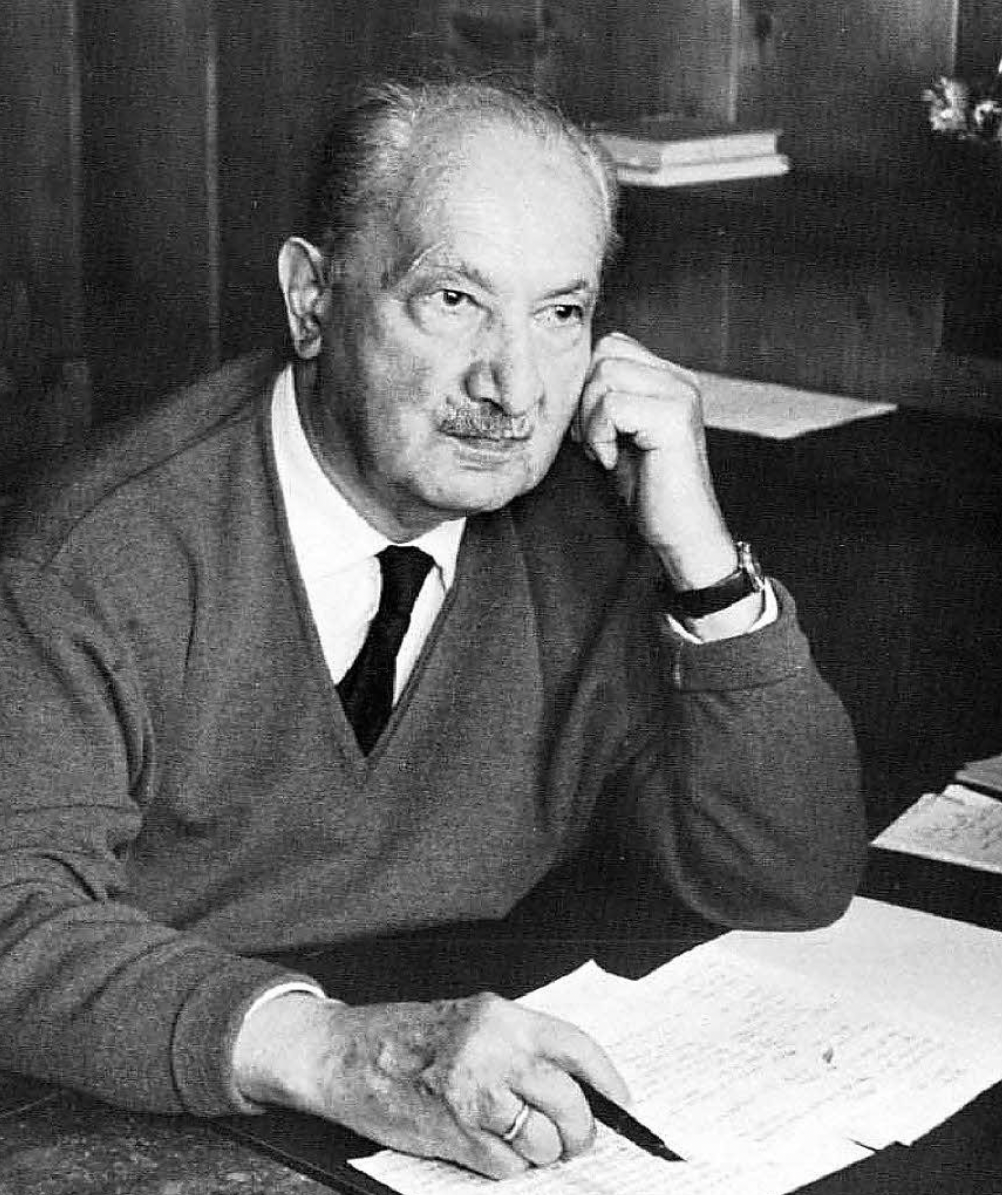
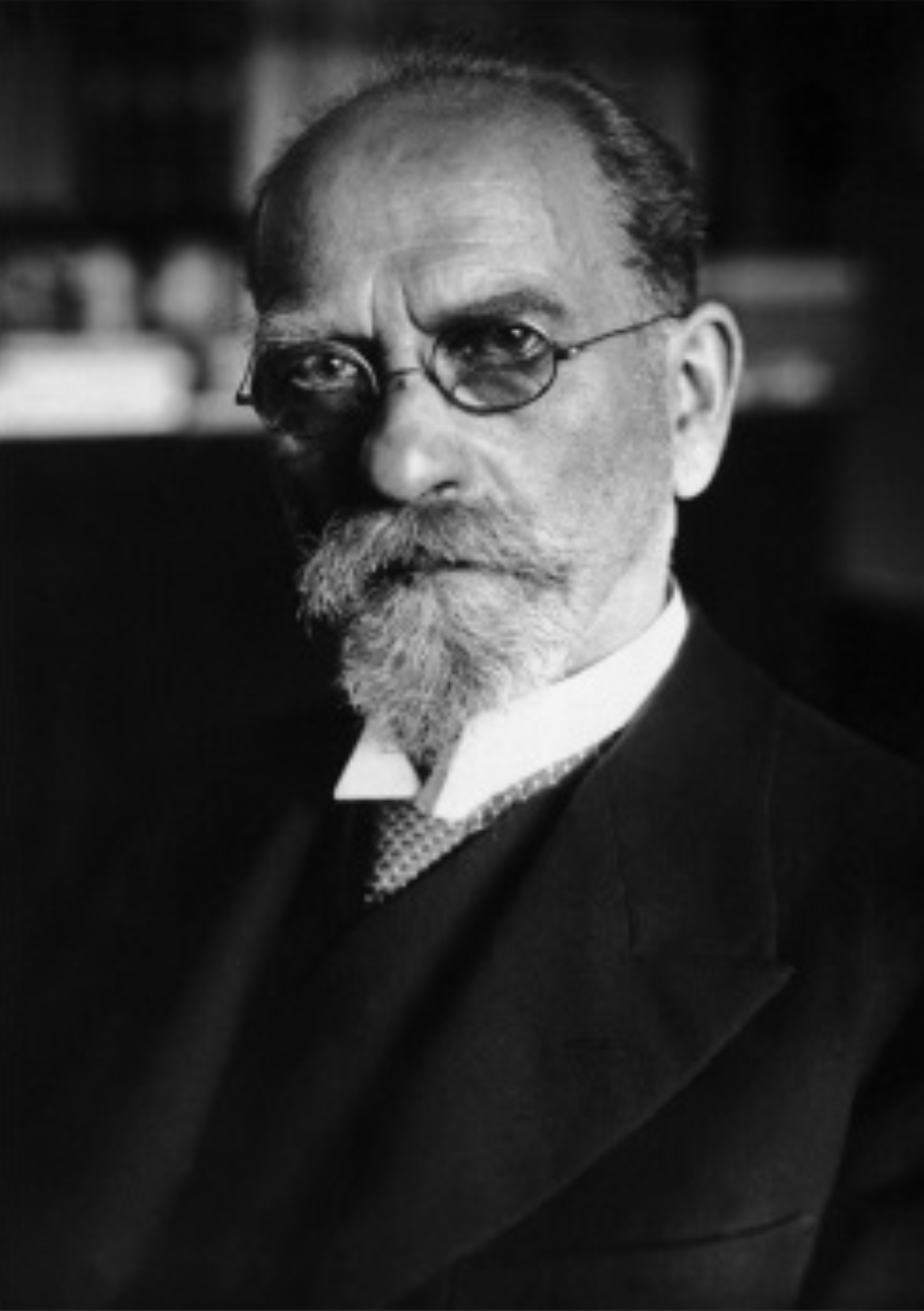
RombachHeideggerHusserl
Translations
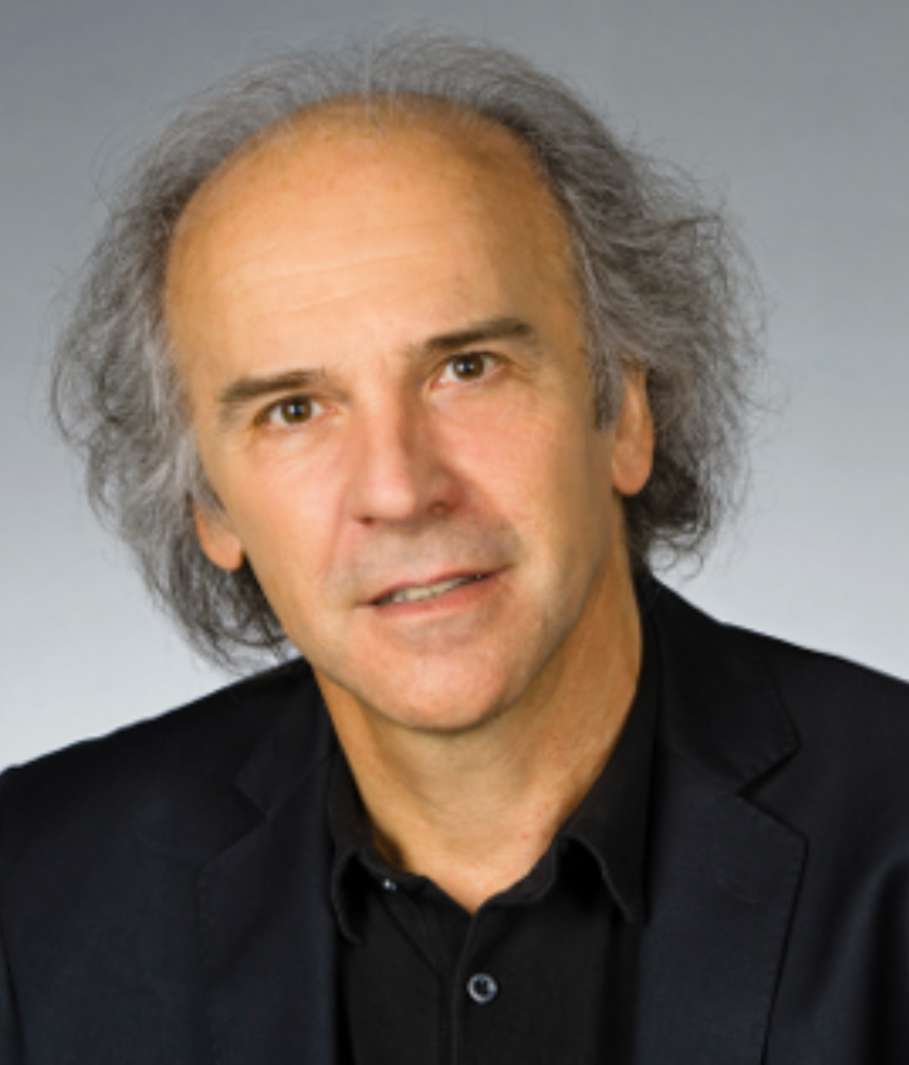
Georg Stenger
Georg Stenger, born in 1957, is a professor at the University of Vienna and head of the research area “Philosophy in a Global World/Intercultural Philosophy”.
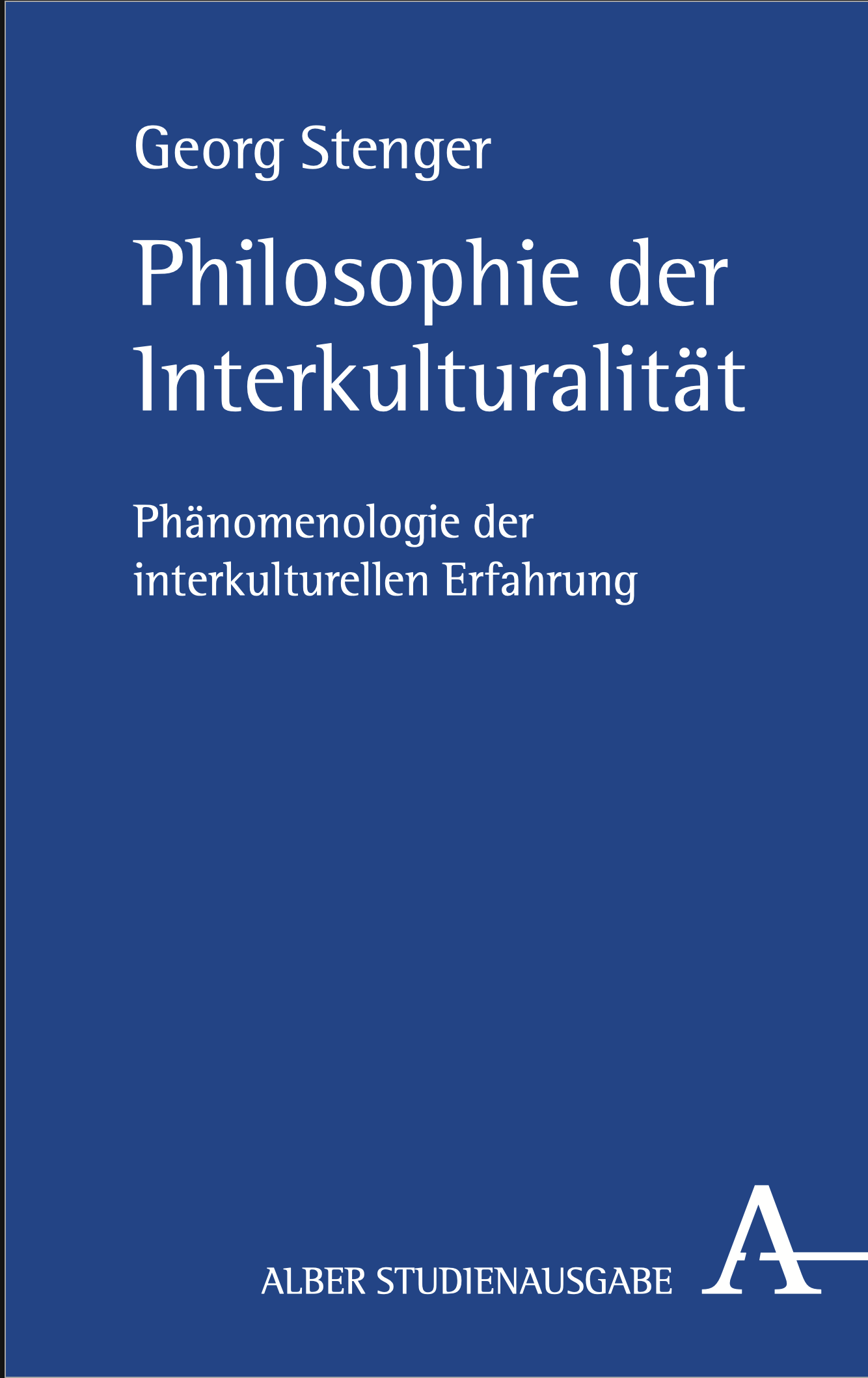
The translation is based on the publication: Georg Stenger “Philosophy of Interculturality: Phänomenology of Intercultural Philosophy” 2. Up to the Studienausgabe 2020
Translator: Serhii Forkosh
a study in intercultural phenomenology
If you try to answer the question of what has happened significantly in European philosophy over the past two decades, then it is impossible not to note the ideas of Georg Stenger.
How is communication between cultures possible? After all, every culture has created semantic codes, where the experience of its culture is considered universal? Every culture has a universal picture of the world, in which the other, external, alien is subordinated to its own, internal, familiar. But the modern world presupposes the need for knowledge and dialogue with what is external, alien and unfamiliar. We are talking about dialogue and the need for understanding. As a result of such a dialogue, a new, intercultural commonality can be born, not found in each world-culture by itself.
“Interculturality” has become a key phenomenon, not only permeating the humanities and cultural sciences, but also manifesting itself in social forms of life, cultural worlds and real political discourses. As a philosophical topic that concerns both justification and demonstration, the paradigm of intercultural interaction acquires fundamental theoretical and practical significance. Based on the analysis of the “phenomenon of intercultural experience”, Georg Stenger lays the foundations of intercultural thinking. The constitutive connection between “experience” and “the world (we)”, which is maintained as a systematic and methodological reference point, is able to point to various subject areas and dimensions that are important for contemporary intercultural understanding.
With the help of an expanded concept of experience, which methodically provides itself with the concept of the “phenomenology of experience”, it becomes possible to take the step that substantiates Western European thinking, in particular, in its categorical self-understanding. This makes it possible to compare, for example, East Asian thinking, especially Japanese, and thus to describe the phenomenon of experience in a new way. Associated with this is the call for a greater plurality that lies beyond universalism and relativism, globalism and particularism, and offers mutual “fruitful difference”. At the same time, heightened “intercultural awareness” arises only against the background of problems associated with the intercultural paradigm; even the philosophical path is preparing for a new stage of “philosophy of intercultural interaction.”